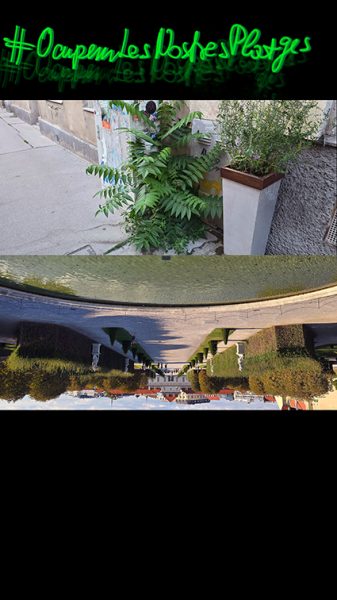
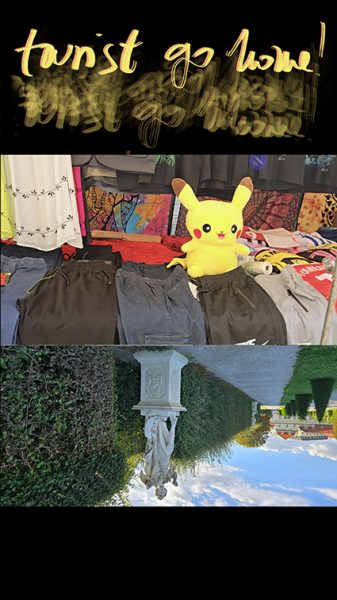
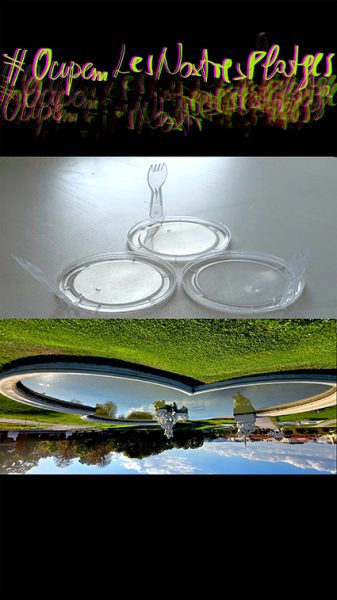
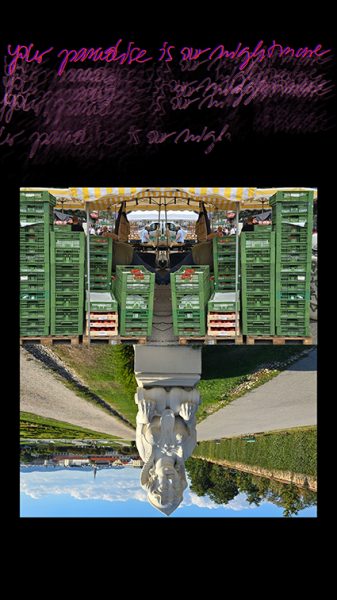
After years of tragic Balkan incidents, exYugoslavia republics are trying to restore political contacts and reconstruct relations that used to be intense years ago. As a mater of fact, “economic cooperation” has never stopped, but only assumed different names. A series of digital prints with “watercolor” interventions map political personas as people of “flesh and blood” having desires on one hand and mask of political and public people in the protocol service on the other hand. This matrix was used to encourage the participants of the artist’s colony to write down their ideas and thoughts about love. The “simple” test turned out to be a relatively difficult task and proved that is easier to form a negative emotion and utter a bad word than a term of affection.
Dangerous Liaisons
Bunga...
...Bunga
Dangerous...
...Liaisons
I did not...
...have sexual...
...relation with...
...that woman
I have not been honest
In stable relationship
A collection of 10 digital prints with watercolour interventions titled “Dangerous Liaisons” discreetly draw one’s attention to a series of political figures who have been involved in political sex scandals. Their names, as well as the names of the women involved in affairs, are hidden in QR codes. QR codes “blur” their identities and act as visual elements (they remind me of Mondrian’s paintings). However, I do not want to expose sexually predisposed dimension which discriminates women’s role in politics considered as a man’s world. What I try to establish within the visual layers of the prints is my interest in the structure of politicians trying to justify their acts once their liaisons are revealed, as well as the context of the moral guardians. Even though today’s political sex scandals seem to be a substitute for what used to be a privilege of the court, the “semantics” of body language and the arguments of political leaders establish the backside of the political protocol. This way, Bill Clinton’s affair disclosed the symbolic power of the Word acting as an extension of the legal system, while Silvio Berlusconi’s excess behaviour was completely immune to it.
Bestand - Belvedere
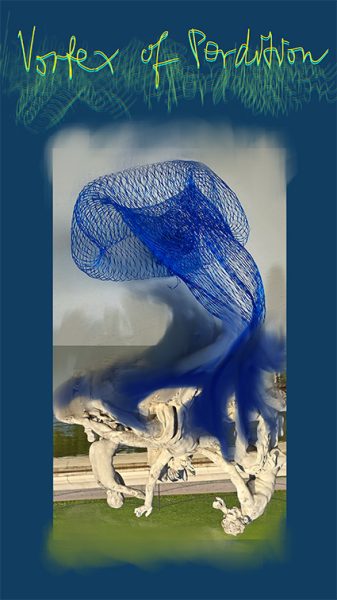
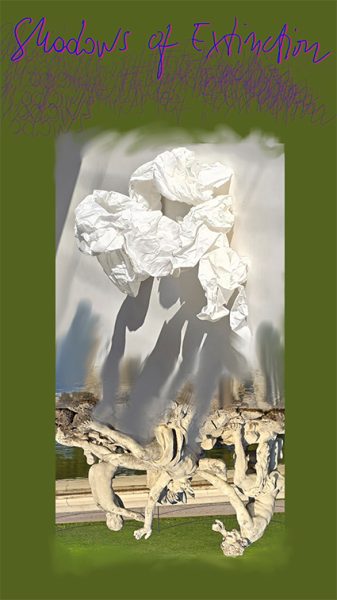
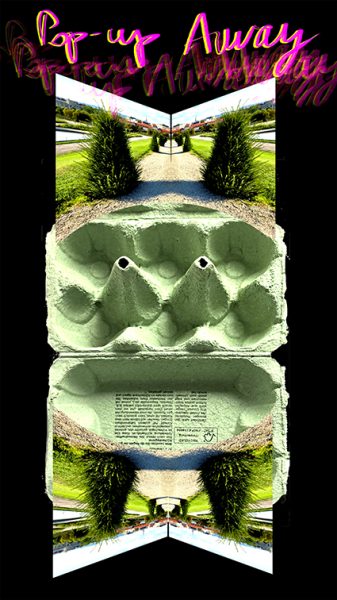
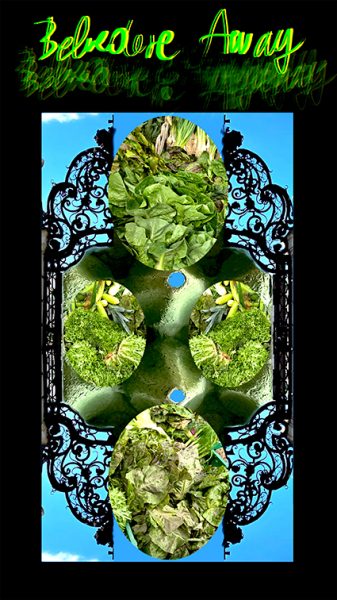
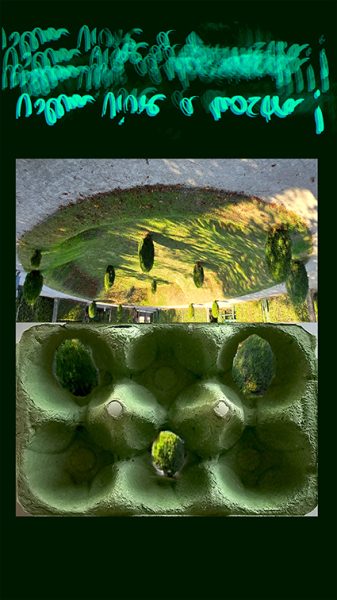
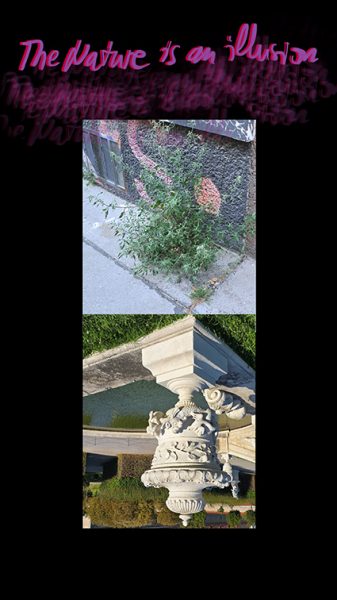
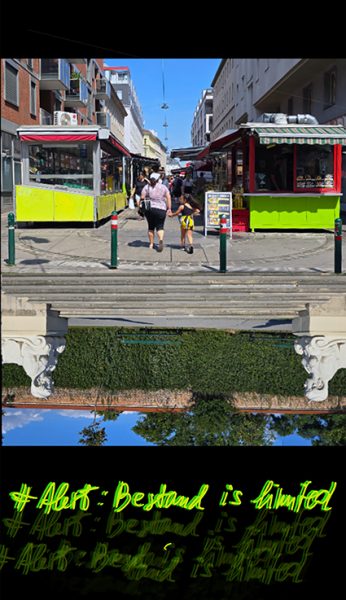
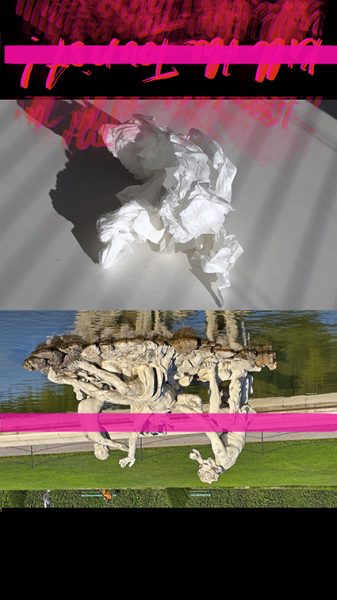
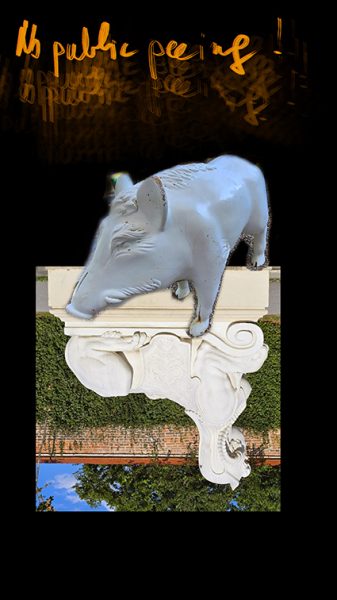
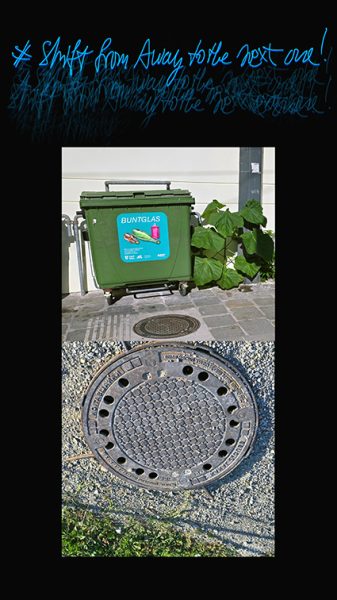
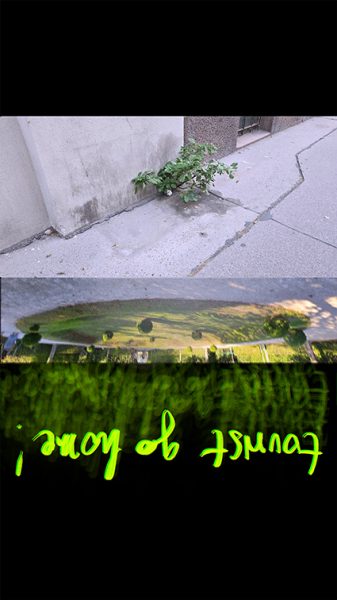
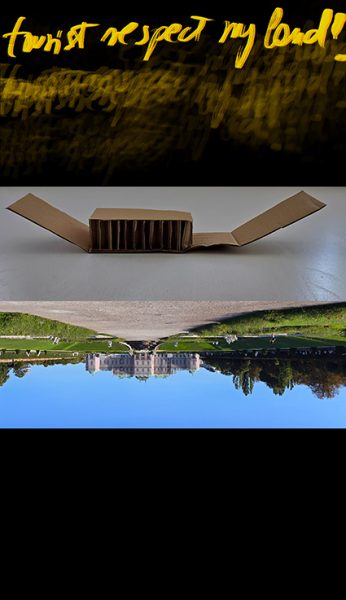
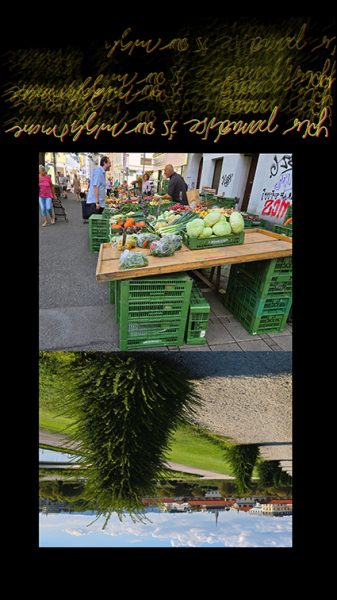
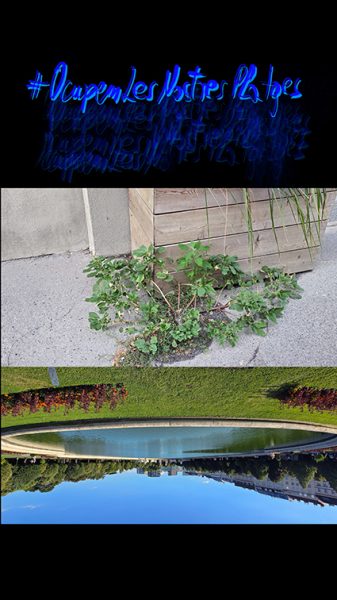
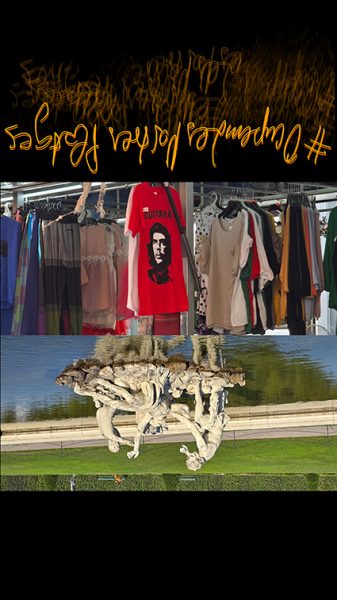
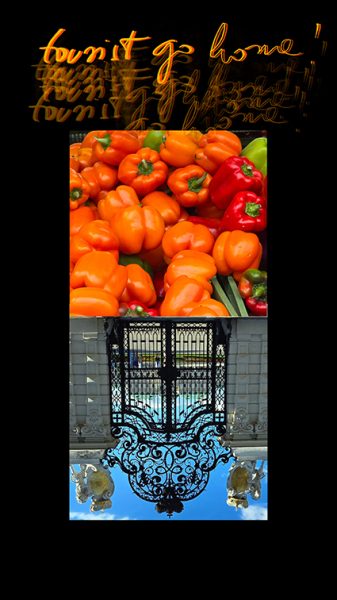
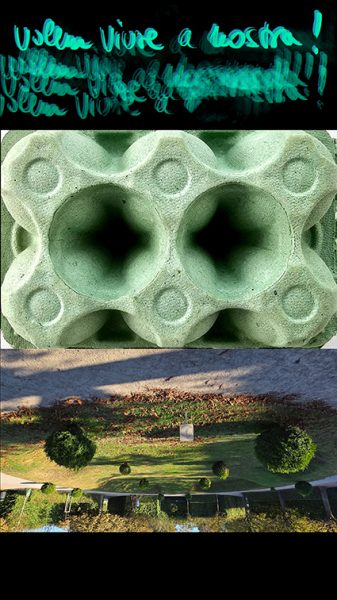
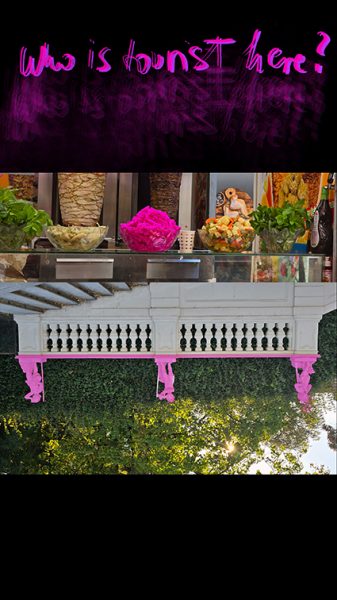
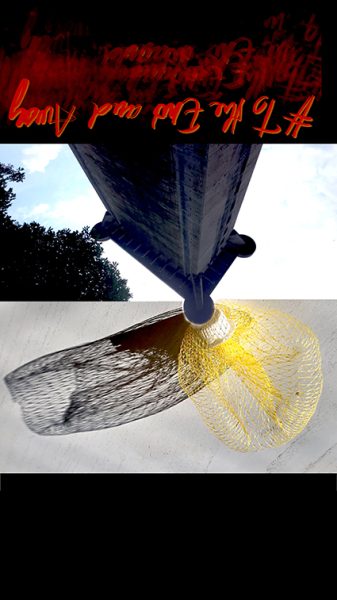
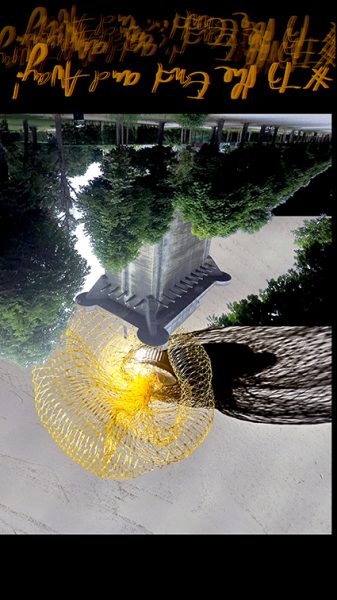
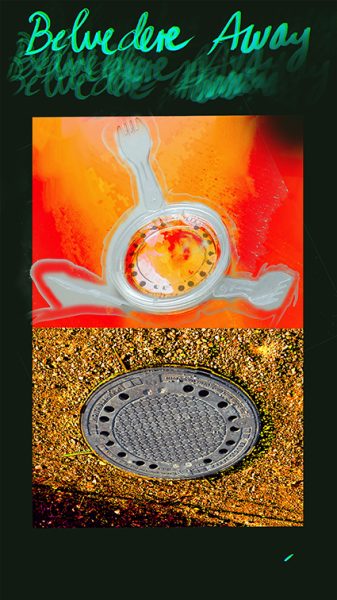
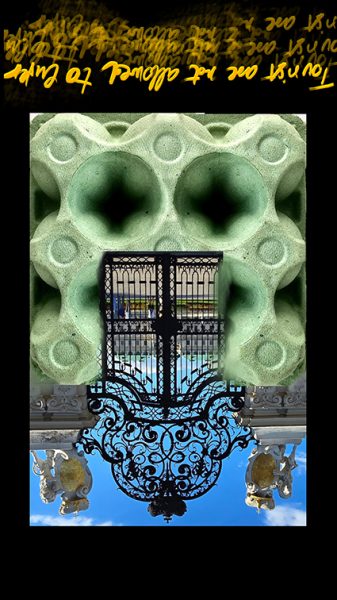
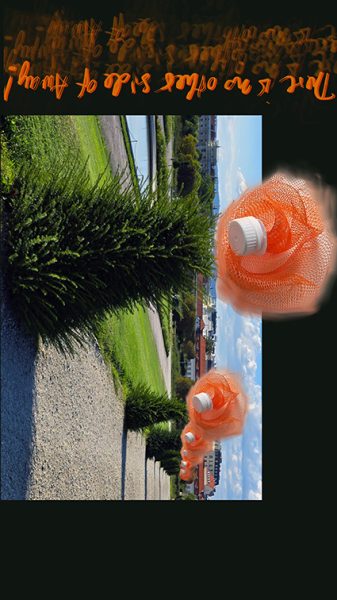
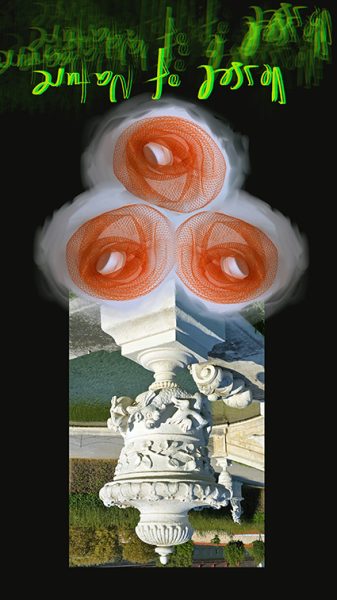
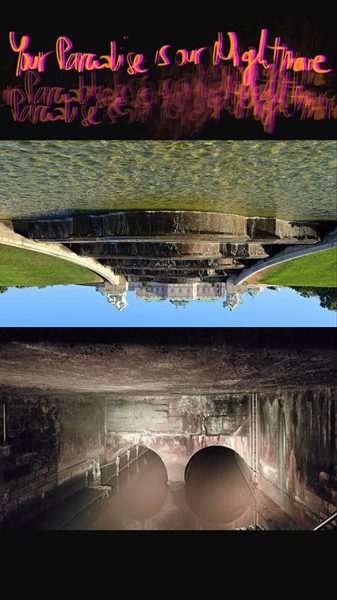
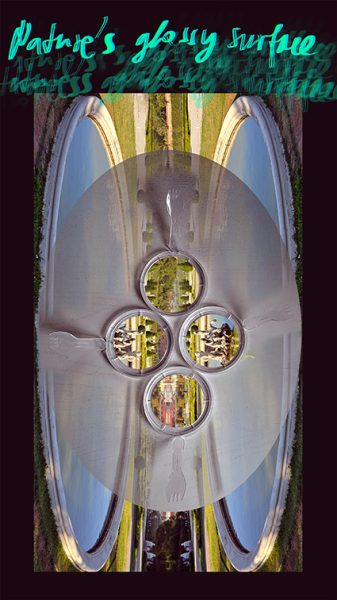
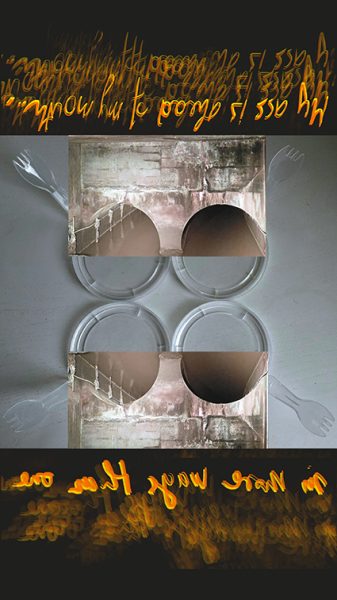
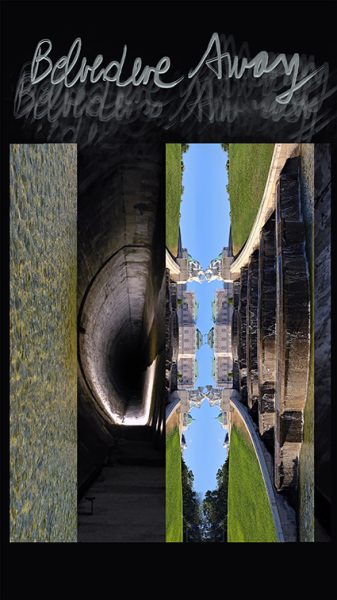
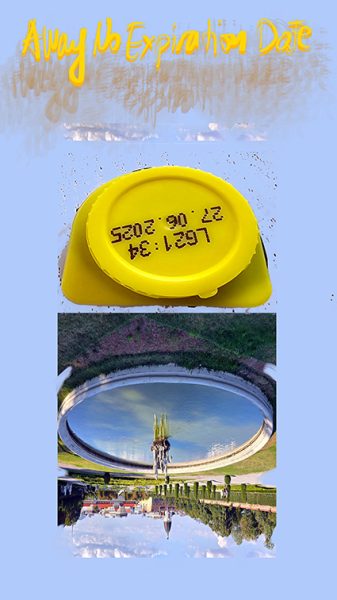
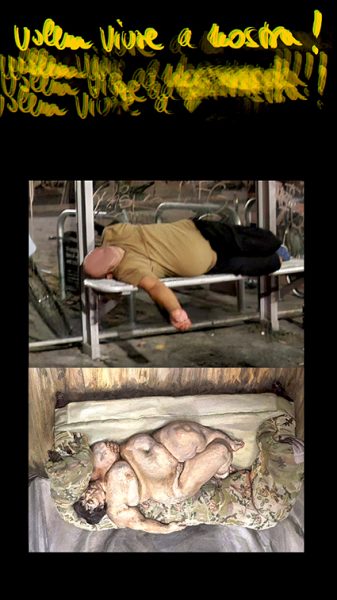
This series of images is part of the visual diary “Bestand–Belvedere,” created during my stay in Vienna as part of the cultural residency at the Ministry of Culture and SKICA in August 2024. My personal experience of shifting into a new environment prompted reflections on migration, supply, and provision within contemporary society. This relocation exposed contradictions inherent in the perception and idealization of nature, encapsulated by the concept of the “beautiful view” (bel vedere), as exemplified by Vienna’s baroque Belvedere Gardens. In the park’s original design, nature is presented as an elevated ideal structured through aesthetic allegories and mythological scenes imported from ancient Greek and Egyptian cultures. Yet this idealized view overlooked a crucial historical rupture—the quiet rise of the industrial age in the background. Nature, enclosed within baroque geometry and phantasmagoria, had already been preemptively consigned to the “Bestand” (in Heidegger’s and Morton’s sense), or resource stock, of the industrial machine. Therefore, this visual diary juxtaposes baroque idealization with tangible urban spaces of everyday provision—city markets offering a globalized abundance of consumable nature. Packaging materials, originally drawn from this “storehouse” of nature, lose their initial function after meals are prepared and step beyond their utilitarian roles. Together with mythological figures, baroque staging, vegetables, and urban weeds as “unarticulated nature,” these materials pass through an aesthetic frame, becoming rhetorical voices addressing non-human actors. In these images, I portray the encounter of past and present not as a fusion but rather as an overlapping— highlighting anthropocentric oversaturation through varied combinations of perspectives, meanings, and spatiotemporal dimensions. What is particularly significant are the direct textual comments and ironic counterpoints that further highlight and articulate the critical themes explored by